
Eliminate Manual Processes and Operational Bottlenecks
Turn fragmented workflows into structured execution.
Automate approvals, visibility, and accountability at scale.
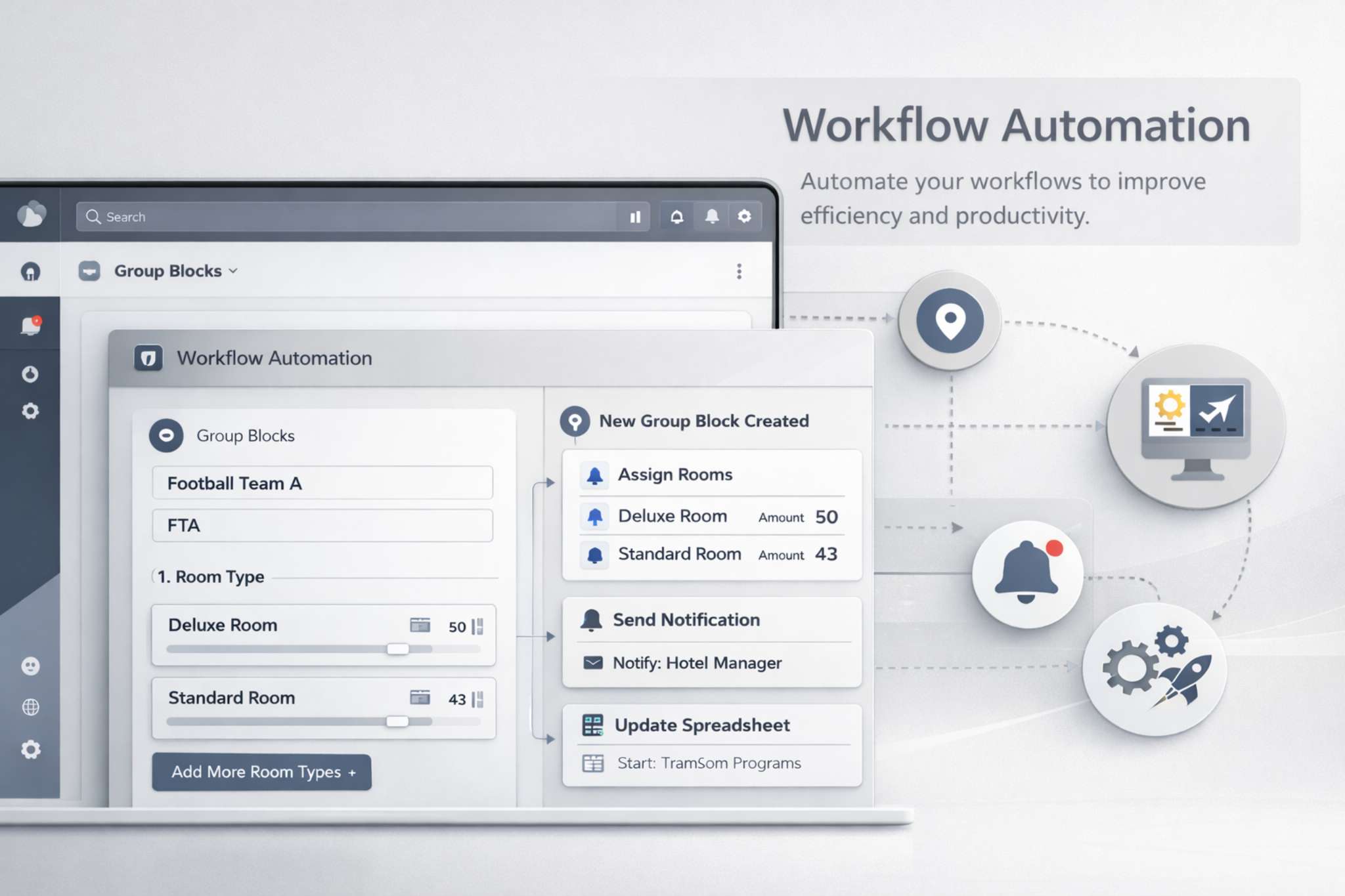
Automate Approval and Review Processes
Workflow automation software ensures structured approval routing. Configure multi-step approval workflows, route tasks based on role or hierarchy, trigger notifications automatically, enforce conditional approval rules, and maintain audit-ready approval logs. Approval cycles become faster and fully documented.

Multi-Step Approval Workflows
Configure multi-step approval workflows and route tasks based on role or hierarchy.
Automated Notifications
Trigger notifications automatically and enforce conditional approval rules.
Audit-Ready Approval Logs
Maintain audit-ready approval logs so approval cycles become faster and fully documented.
Conditional Approval Rules
Enforce structured approval routing with configurable rules aligned to operational policies.
Standardize Cross-Department Processes
Process automation improves operational consistency. Define standardized workflow templates, automate repetitive administrative tasks, connect workflows across departments, track task completion in real time, and monitor process performance metrics. Operational processes become consistent and measurable.
Standardized Workflow Templates
Define standardized workflow templates and automate repetitive administrative tasks.
Cross-Department Connectivity
Connect workflows across departments while maintaining structured coordination.
Real-Time Task Tracking
Track task completion in real time to improve process visibility.
Process Performance Metrics
Monitor process performance metrics to ensure operational processes become consistent and measurable.
Improve Task Management and Accountability
Workflow automation software increases transparency. Automated task creation and assignment, escalation triggers for overdue tasks, role-based workflow visibility, SLA tracking and monitoring, and executive-ready performance dashboards ensure accountability becomes built into every workflow.

Automated Task Creation and Assignment
Automated task creation and assignment with escalation triggers for overdue tasks.

Role-Based Workflow Visibility
Maintain role-based workflow visibility with structured transparency across teams.
SLA Tracking and Monitoring
Track and monitor SLAs to maintain structured accountability.
Executive-Ready Performance Dashboards
Use executive-ready performance dashboards to ensure accountability becomes built into every workflow.
Integrate Automation With Core Business Systems
Automation must align with operational data. Because the platform operates natively on Salesforce, workflows connect directly to CRM and operational records, trigger based on real-time data changes, update records instantly, and reflect live process performance in dashboards. No external automation tools are required. Automation becomes embedded within enterprise systems.
Native Workflow Automation Architecture
Workflows connect directly to CRM and operational records without external automation tools.
Real-Time Data Triggers
Triggers activate based on real-time data changes to ensure process alignment.
Instant Record Updates
Approvals update records instantly while dashboards reflect live process performance.
Embedded Enterprise Automation
Automation becomes embedded within enterprise systems for structured operational control.
CRM and Operational Integration
Workflows connect directly to CRM and operational records to maintain data continuity.
No External Automation Tools
No external automation tools are required, ensuring full control inside Salesforce.
AI-Powered Intelligent Process Optimization
As operational data grows, automation becomes smarter. AI helps identify workflow bottlenecks, recommend process improvements, predict approval delays, optimize task routing, and improve long-term operational efficiency. Automation evolves continuously with data.
- Identify workflow bottlenecks and recommend process improvements.
- Predict approval delays using operational performance signals.
- Optimize task routing based on historical workflow patterns.
- Improve long-term operational efficiency through structured analysis.
- Automation evolves continuously with data to strengthen performance.